Showing 301–330 of 2471 results
A poster showing properties of shape vocabulary for Year 2.
‘Rapunzel’ word mat to support children in their writing.
Photo of castles from England, Scotland, Wales and Northern Ireland.
‘Princess and the Pea’ word mat to support children in their writing.
Sequencing events using the language of time e.g. tomorrow, before.
Zero to a million number word mat to help children in their writing.
A set of flower posters with number bonds for 10 for classroom display.
Demonstrating subtracting two using a familiar rhyme.
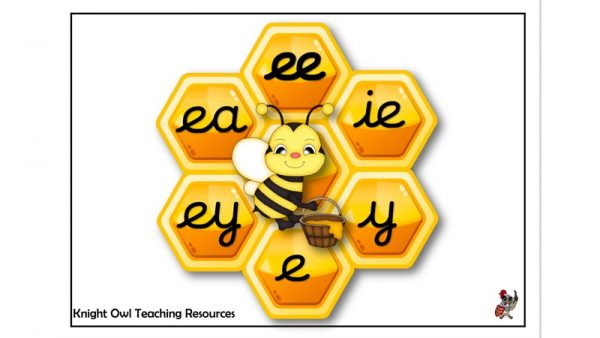
Alternate spellings for Phases 2 – 5 letter sounds displayed on honeycomb (joined).
An alphabet frieze with real life photos for classroom display (unjoined cursive).
Diwali word mat to support children with their writing (Sassoon script).
Children and aliens displaying real words and nonsense words to decode.
Using the three numbers to show addition and the inverse operation.
An alphabet frieze with real life photos for classroom display (Sassoon script).
Grace Darling, a lighthouse keeper’s daughter who rescued 9 shipwrecked people.
Describing the life of the nurse Edith Cavell and her bravery.
Using basic geographical vocabulary to refer to key physical features.
The countries of the United Kingdom and their capital cities.
Knight Owl cuts the whole pizza into halves and quarters.
Introducing the concept of ordinal numbers displayed on racing cars.
Describing what all pets need to keep them happy and well.
Identifying and naming a variety of everyday materials and their sources.
Identifying the body part associated with the sense of sight.
Watch the curtains open, identify the 3D shapes and name them.
A familiar song to name the basic body parts of the human body.
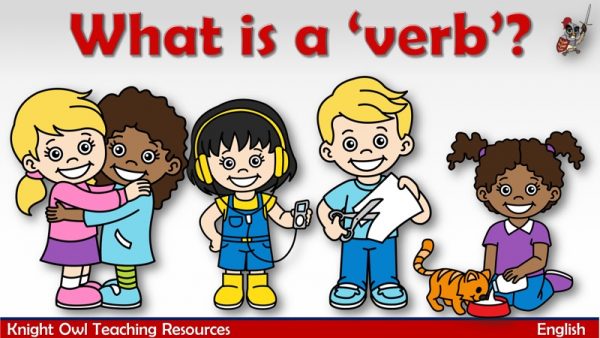
Powerpoint offering a simple explanation of what a verb is.
Sentences where the suffix – ful has been added to spell longer words.
Adding the suffix 'est' where no change is needed in the spelling of the root word.
As the word balloon deflates, the contracted word is revealed.
Capital letters for people's names, places, days of the week and the personal pronoun 'I'.